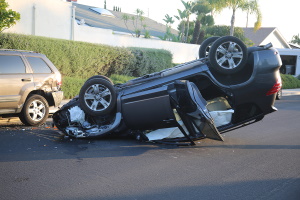
A car accident can turn your life upside down in seconds. Medical bills, lost wages, and pain shouldn’t be your burden to bear alone. At Charles J. Argento & Associates, we’re here to take that weight off your shoulders.
Our Houston car accident lawyers do more than just legal paperwork. We fight aggressively to protect your rights, deal with insurance companies, and get you the compensation you deserve. We understand the stress you’re facing, and we’re committed to helping you recover – both physically and financially.
Every case is personal to us. We’ll handle the legal complexities so you can focus on healing and moving forward with your life. When insurance companies try to minimize your claim, we’ll be there to stand up for you.
Don’t face this challenging time alone. Let Charles J. Argento & Associates be the support and legal strength you need right now.
What Are the Laws Pertaining to Car Crashes in Houston, Texas?
Rear-end accidents are some of the most common types of car crashes on our Texas roadways. Often referred to r-benders, the assumption is that the collision isn’t serious and that the collision has caused nothing more than a traffic snarl.
Unfortunately, nothing could be further from the truth. Even when a negligent driver collides with the vehicle in front of them at a low rate of speed, the injuries can be severe.
Whiplash, head injuries, and neck and spinal injuries can require lengthy or life-long care that leads to expensive medical bills, time away from work, and even short or long-term disabilities.
The larger question becomes, who is going to pay for these expenses? How are you going to recover fully, when the collision was not your fault?
In Texas, there’s a presumption that if you get rear-ended, where a car strikes you from behind, the person who hit you is at fault for the collision. The reality is that is not always true.
Before Charles J. Argento & Associates can create a solid Houston auto accident case against the person who caused your injuries, we must be able to prove several factors.
They include:
That the driver was negligent in their operation of a vehicle
That their negligent caused the injury
That the collision resulted in your injuries
That there are damages from those injuries, including medical expenses, lost wages, and property damage
Texas roadways are dangerous and are consistently ranked among the country’s 20 most traffic-congested cities. When negligence is added to already volatile traffic patterns, people are seriously injured as a result.
When they are, our Houston, Texas car accident attorney will provide a strategic approach to delivering results for our clients’ unique needs, so they can face their injuries with confidence.
Houston Car Accident Statistics: A Critical Overview
Houston stands as a critical focal point for traffic-related incidents, presenting a complex landscape of road safety challenges. As the fourth-largest city in the United States, Houston’s intricate transportation infrastructure bears the brunt of intensive urban mobility. Recent comprehensive traffic analysis reveals a sobering picture: the city experiences approximately 66,000 traffic collisions annually, translating to an average of 181 accidents per day. These incidents result in more than 3,000 serious injuries and claim nearly 300 lives each year.
The geographical and infrastructural characteristics of Houston amplify its traffic risk profile. Major arterial highways like I-45, I-10, and Highway 290 form a dangerous triad of high-risk corridors. These roadways, crucial to Houston’s transportation network, witness a disproportionate number of multi-vehicle collisions. Contributing factors include rapid urban expansion, continuous infrastructure development, diverse traffic patterns, and the city’s unique mix of commercial, industrial, and residential zones.
Beyond raw numbers, the economic impact of these accidents is substantial. The total cost of motor vehicle crashes in the Houston metropolitan area exceeds $6.5 billion annually, encompassing medical expenses, property damage, lost productivity, and insurance-related costs. Distracted driving, alcohol-related incidents, and speeding remain primary contributors to these alarming statistics, with young drivers and commercial vehicle operators representing high-risk demographics.
Injured in a Car Accident? Call Charles J. Argento & Associates!
Call our Houston Auto Accident Lawyers at 713-225-5050 to schedule a free confidential consultation today.
What Are the Most Common Causes of Houston Auto Accidents?
Negligence knows no bounds on our Houston roadways. When drivers take their attention away from the road, even for a second, collisions with injuries can happen without notice.
Some of the most common causes of car accidents in Houston include:
Distracted driving
Driving under the influence of alcohol or drugs
Failing to obey street signs, signals, and rules of the road
Improper lane changes and turns
Reckless driving
Speeding
Tailgating
Wrong-way driving
Negligent drivers are not the only cause of car collisions. Product liability defects, like defective tires, mechanical problems, faulty brakes, malfunctioning airbags, and failures to recall malfunctioning car parts of any kind can lead to collisions that are out of everyone’s control. When that happens, our product liability attorney at Charles J. Argento & Associates can transform your injury case into a multi-party pursuit for your full financial recovery.
What Are the Most Common Types of Car Accidents in Houston?
Because driver negligence is, by definition, is the failure to take proper care while operating a vehicle, different types of car accidents occur each day on our roadways.
They can include:
Single Vehicle collisions
These crashes can be very serious, especially if you are driven off the road trying to avoid a collision with a negligent driver. Unfortunately, these collisions are not uncommon in Houston, as drivers unlawfully text and drive or use HOV lanes during unauthorized times.
Rear-end Crash Accidents
When negligent drivers are speeding, tailgating, or simply not paying attention, they can collide with the car in front of them at both low and high rates of speed. These car accidents can lead to severe injuries, even when the crash site does not reflect terrible damage to either vehicle.
Head-on Car Accidents
Head-on car accidents are usually caused by someone driving into traffic the wrong way. This typically happens when people make illegal turns, take shortcuts down one-way streets in the wrong direction, or when swerving into oncoming traffic while distracted.
When two cars, trucks, or SUVs collide head-on, the injuries can be devastating and require a long recovery period that disrupts your entire life, including your ability to work.
Ride Share & Taxi Crashes
Not all car accident victims are drivers. With the popularity of ride-share transportation, like Uber and Lyft, and the resurgence of taxis that are competing for their business, more and more people are placing their trust in other drivers to get them safely from point A to point B.
When any transportation option — including rideshare vehicles and taxis — results in an injury due to driver negligence, your rights must be protected from the beginning, so the driver, company, or insurance carrier does not have the opportunity to manipulate the evidence in their favor.
Our Automobile accident lawyer in Houston at Charles J. Argento will provide the representation you need to hold all responsible parties accountable for your full financial recovery.
Car Accident Involving a Bus
When it comes to public transportation, bus drivers are held to a higher standard as they are consistently responsible for the safety of numerous people who place their trust in their ability to get them to their destinations safely.
When buses collide with passenger vehicles, the passengers in the vehicle can be seriously injured as a result. These cases become multi-tiered, as the bus driver, transit company, and the City of Houston can all be held liable for the bus collision.
Our auto accident attorney in Texas at Charles J. Argento & Associates has the experience you need to tie each responsible party to your financial recovery pursuit, focusing on the optimal outcome from a combined settlement or jury verdict.
Car Accidents Involving a Motorcycle
While motorcyclists have very little protection during a collision, which can lead to severe injuries when they collide with a car, passenger car drivers can be equally injured when a negligent motorcyclist collides with their vehicle. Do not assume it is your fault if a motorcycle collides with your car. Allow our auto accident lawyer to do the leg work to ensure all the evidence from your crash is preserved and tells the real story.
Car Accidents Involving a Semi Truck
It should come as no surprise that when a semi-truck collides with a passenger vehicle, the people in the smaller car are going to sustain more severe injuries.
In fact, 72% of all truck accident injury victims are those riding in the other vehicle, as the size of the 18-wheeler dominates the much small passenger vehicle.
If you are in a collision with a semi-truck, contact our truck accident lawyer immediately at (713) 225-5050 after the crash, so we can protect you from the truck driver, the trucking company, and their insurance representatives, so together we can pursue the best outcome available for your unique case.
Car Accidents Involving a Drunk Driver
Few things are as devastating as injuries suffered in a car accident that involves a drunk driver in Houston.
Not only are drunk driving collisions preventable, but the level of negligence involved in an intoxicated driver deciding to get behind the wheel places everyone in danger.
If you have been hurt in a crash with a drunk driver, we can provide you with legal advice to help you hold the negligent party responsible for their unlawful and reckless behavior.
If you have lost a loved one in a wrongful death accident in Texas, our auto accident lawyer in Houston can help you hold the negligent party who caused your loss responsible in civil court.
It is important to know that you have two years from the date of your loved one’s death to pursue a wrongful death claim against the negligent party. Our auto accident attorney will provide the compassionate support you need, so you can take time to fully grieve while we work on the details of your financial recovery.
Injured in a Car Accident? Call Charles J. Argento & Associates!
Call our Houston Auto Accident Lawyers at 713-225-5050 to schedule a free confidential consultation today.
What Are the Common Injuries in Houston Car Accidents?
Car accidents can inflict significant harm, extending beyond just vehicle damage to impact the individuals involved. Even if an accident initially appears minor and you feel fine, it’s important to be aware of potential injuries that might not be immediately obvious. Understanding these injuries helps you recognize symptoms and seek appropriate medical attention if needed.
Here are some common injuries that might result from such accidents:
Whiplash: Caused by the sudden jerking of the head during a collision, often leading to neck pain and stiffness.
Broken Bones: Fractures from the impact of the accident can occur in various parts of the body, requiring surgical intervention and rehabilitation.
Traumatic Brain Injuries (TBI): Injuries to the brain resulting from a severe impact can lead to cognitive impairments, memory issues, and long-term neurological problems.
Spinal Cord Injuries: Damage to the spinal cord can result in partial or full paralysis, requiring extensive medical treatment and possibly lifelong care.
Internal Organ Damage: The impact can cause serious injuries to internal organs such as the liver, kidneys, or spleen, which may need emergency surgery and prolonged recovery.
Soft Tissue Injuries: Includes damage to muscles, tendons, and ligaments, leading to pain, swelling, and long-term issues.
Herniated Discs: Displacement of spinal discs can cause severe back pain and affect mobility.
Post-Traumatic Stress Disorder (PTSD): Psychological trauma from the accident can result in anxiety, depression, and other mental health challenges.
These injuries often require extensive medical treatment and rehabilitation, and they can lead to long-term disabilities. If you’ve been injured in a car accident, consulting with an experienced automobile accident lawyer is crucial. Understanding the types of injuries that frequently occur can help you anticipate the potential impact on your health and well-being, and an auto accident attorney in Houston can give legal advice in pursuing the compensation you need for your recovery.
How Many Car Accidents Occur in Texas?
Car accidents happen more frequently than our residents could imagine.
In fact, there is one reported car crash every 59 seconds in the State of Texas.
Those crashes account for:
One injured person every two minutes and four seconds
Nearly 255,000 total injuries over a single year
If you are injured in a car crash, do not attempt to take on the insurance company alone. Our Houston personal injury attorney will design your case to produce results, so you can get the medical care and time away from work you deserve to fully heal.
What Do You Do After A Car Accident in Houston, Texas?
As an experienced auto accident attorney in Houston, we recommend that everyone who has been in a car accident follows a specific protocol to pursue the negligent driver who caused their car crash.
Including:
Call the police. Be sure to get a collision report from your local authorities, so we can use it as evidence.
If you are able, record the negligent driver’s information, including their driver’s license, registration, and insurance information.
Take pictures of the collision scene.
Write down the names and contact information of any witnesses who say the car crash.
Seek medical care right away.
Contact our Houston auto accident attorney to get started on your case right away.
The sooner our Texas motor vehicle accident attorneys are involved in your collision, the more quickly we can obtain evidence that will bolster your case. Our car wreck attorney can provide the representation you need to produce results, so you don’t have to face the insurance company alone.
How Can I Protect My Rights After a Houston Car Accident?
After a car accident in Houston, protecting your rights is essential. Begin by seeking medical attention, even if you don’t feel injured at the moment. Report the accident to the police and collect as much evidence as possible, including photos, witness statements, and insurance details. When dealing with insurance claims, it’s crucial to document all relevant information and communicate clearly with your insurance company. Avoid admitting fault or making statements that could be used against you later.
Consulting with a skilled Houston automobile accident attorney can help ensure that your rights are protected and that you receive the fair compensation you deserve. An experienced lawyer can guide you through the legal process, assist with your insurance claim, and help you navigate any complexities to secure the best possible outcome for your case.
Understanding the Auto Accident Claims Process in Houston, TX
The car accident claims process can be overwhelming, particularly when you’re dealing with injuries and damages. After a Houston car accident, you’ll need to file a claim with your insurance company or the at-fault driver’s insurer. This process involves gathering evidence, documenting your injuries and losses, and negotiating with insurance adjusters. Each step of the claims process, from initial filing to settlement or trial, is crucial to securing the compensation you deserve.
A car accident attorney in Houston can provide invaluable guidance through this process, ensuring that your claim is handled efficiently and effectively. Relying on an automobile accident lawyer can make a significant difference in the outcome of your case, helping you achieve the best possible result.
How Do Houston, Texas Car Accident Settlements Work?
Car accident with injury claims are complex, which is why it is so important to document every aspect of the collision and to seek medical care right away.
Our pursuit of the proper settlement for your personal injuries will include the damages for your:
Complete medical care expenses
Lost wages from your inability to work
Short or long-term disabilities
Property damage
Miscellaneous expenses paid out of pocket during your recovery
Is Texas a No-Fault State for Auto Accidents?
No. Texas is not a no-fault insurance state. That’s why it is important for all drivers and the cars damaged as a result of these crashes to hire our automobile accident attorneys to ensure their rights are protected throughout the recovery process.
Houston’s a very large city, and our vehicle accident attorney knows that in Texas, we have a comparative fault law that requires each driver to take financial responsibility for a crash in which they were more fifty percent at fault.
Our Houston car wreck lawyer focuses on delivering results for your case, so you can hold the negligent driver who caused your crash wholly responsible for the damages.
If Someone is in a Car Crash, How Do They Know If They Need a Houston Auto Accident Lawyer?
If you are injured, if you are in pain and need to see a doctor, I would recommend that most people see a Houston auto accident lawyer. It is very important because you must remember that insurance companies are one of the largest corporations in America.
They do most of the advertising on TV, you recognize the insurance companies: the “Good hands” people, “Mayhem” “Flo”. They advertise like crazy and they are in the business to make money and not in the business to pay out any money. You need an auto accident attorney who knows how to get to the point, prove your case, and get you the maximum amount of money you deserve.
What Type of Compensation Will Your Car Accident Attorney in Houston Pursue?
Regarding the amount of compensation you can get in a car crash, it is very difficult to come up with a set amount of money. It depends on the damages to the automobile involved in the collision. You need to have significant damage to receive significant money.
Also, you must be hurt and that ranges from all kinds of degrees of being hurt. You have things such as soft tissue injuries which is where your back or your neck or your body hurts, but there is no objective test like an x-ray or an MRI that will say or show that you are hurt. It’s basically saying that you are hurt. Those are the car accident cases they don’t pay very much on.
The Higher Types of Cases Include:
Broken bones
Back, neck, and head injuries
Paralysis
Scarring
Short or long-term disabilities
The more severe types of injuries bring the maximum amount of recovery options. It is very important to have a skilled car accident lawyer in Houston by your side to thoroughly analyze the case and maximize the reward and benefit that you deserve.
Injured in a Car Accident? Call Charles J. Argento & Associates!
Call our Houston Auto Accident Lawyers at 713-225-5050 to schedule a free confidential consultation today.
How Does Your Houston Car Accident Attorney Deal with The Insurance Company?
The important thing for people involved in collisions is for them not to deal with the insurance company themselves. The reason for that is the adjustors who work for the insurance company are trained to deny your insurance claims and to give you the least amount of money they can.
You need a skilled Houstoncar accident lawyers who knows the ins and outs of what is required, to prove your case, and how to get you the maximum money you deserve. The best thing to do is tell them that you have an auto accident lawyer from Charles J. Argento & Associates, give them the lawyer’s name and telephone number, and talk no further.
How Long Does an Insurance Company Have to Resolve A Claim?
Our experienced car wreck lawyer understands that after you have been injured in an automobile crash, the healing process can be long and slow. Unfortunately, insurance companies will do everything in their power to delay, diminish, or even deny your insurance claim, making the recovery process as difficult as possible.
Our Houston car accident lawyers speed up the recovery process by providing the evidence necessary to pursue the financial compensation you deserve for your injuries. Your car wreck injuries are unique, and so is your case, which means the time it takes to resolve your financial recovery will depend on how we design your injury lawsuit. Our car accident law firm in Houston’s main goal is to deliver results as quickly as possible, so you can move forward with your life with confidence.
How Do I Sue My Insurance Company After A Houston, Texas Car Accident?
To sue your insurance company after an auto accident, you must hire an experienced auto accident attorney who can take the complex issue of holding your own insurance company responsible for your financial recovery and turn it into a viable case that produces results.
Our accident attorney will pursue each avenue of financial recovery possible for your car crash, even when it means using your insurance company to get the results you deserve.
Can I Sue an Insurance Company Without Hiring a Car Accident Lawyer?
The short answer is yes. However, it is not recommended.
Insurance companies focus on denying all payments and can extend the recovery process with their denials for years to come. With each passing day, your ability to recover from the insurance company lessens, and even when they do offer a settlement, it will be much lower than your overall financial needs — leaving you responsible for the medical bills and overall expenses their offer does not cover.
Contacting an auto accident lawyer in Houston will allow you to focus on your recovery while we take on the insurance company using our extensive experience to make you whole again.
What Is the Average Settlement for A Houston, Texas Car Accident?
Our motor vehicle accident attorney in Houston prides himself in seeking more than average settlements for injuries sustained in collisions.
While every case may not be worth a million dollars, the recovery costs you deserve can feel like millions of dollars to you and your family. The more our auto accident attorney can recover on your behalf, the easier it will be for you to get your life back.
How Do I Choose the Right Houston Car Accident Lawyer?
You need a Houston motor vehicle accident lawyer who has been in business for a long time. There are a lot of lawyers out there who have switched to personal injury or do all general types of cases. You need a lawyer who has been there before and knows how to maximize your compensation. I feel I am the best qualified in that area because I basically have been on the other side for the first ten years of my practice.
I know exactly what they need to deny a claim or pay the least amount of money possible. You need someone who understands what the insurance companies are looking for, who knows how to prove your case, and who will maximize your benefits.
An automobile accident on Texas roads can leave you and your family struggling to recover and pay for medical bills, lost wages, and long-term care. It may be especially difficult to deal with a medical and insurance company unconcerned with your individual needs.
Houston Car crash lawyer Charles J. Argento has developed a reputation in Texas for personal service and successful results on behalf of ALL Texas clients seeking a damage settlement in state or federal court after a serious car crash.
What Information Should I Bring to My Initial Consultation with Your Houston Car Accident Lawyers?
Talking with a skilled car wreck lawyer in Houston will allow you to learn how the legal process works while understanding your rights, which will allow you to make informed decisions regarding your case.
When meeting with our auto accident lawyer during a free initial consultation, bring as much information as you can, so we can assess your case effectively from the beginning and provide the legal help you need.
Those items can include the:
Date of the car accident
Location of the crash
Case number from the police report and the names of the officers investigating the collision
Information regarding the identity of the negligent driver, including their driver’s license, registration, and insurance data
Photographs or video of the damage to your vehicle, the other vehicle, and the crash scene
Injuries you sustained in a car accident, and any medical information and treatment you received after seeking care
Information associated with your auto insurance policy
Conversations you may have already had with insurance adjusters, including any recorded statement
If you do not have all the information listed here, we can provide you with an outline of what we need to move forward with your case. Your first consultation with Charles J. Argento is free. We will work with you to determine the best approach to producing results for your unique injury case, so you can face your physical and emotional recovery with confidence.
What Are the Best Tips to Remain Safe While Driving in Houston, Texas?
The very best tip for remaining safe while traveling our Houston roadways is to ensure when you are operating a vehicle of any kind that your complete attention is on the road.
One in five Texas car accidents is caused by driver distraction. And one of the largest culprits is cellphone use behind the wheel.
Texas Legislatures passed a statewide ban on using a wireless communications device while operating a motor vehicle.
When you are operating a motor vehicle, put your phone away, and focus on the task of driving, so you can identify any dangers around you — instead of being the danger.
Driver safety begins with you. When another driver is negligent in their operation of a vehicle, we will help you hold them responsible for their recklessness.
Contact Our Houston Car Accident Attorney Charles J. Argento After an Accident
For dedicated and professional legal help with your Texas personal injury claim, contact our Houston car accident attorneys at Charles J. Argento & Associates for a free case evaluation today.
Had a accident and they took care of me quick and effortless on my behalf they just told me were to and what time and I had to do nothing else besides letting them know how I was feeling
Charles J. Argento focuses his practice on serious personal injury, auto accidents, wrongful death, and product liability. With over 37+ years of experience, he is known for aggressive representation and securing high-value results for injured clients across Texas. He has earned numerous prestigious awards, including Super Lawyer, AV-rated by Martindale-Hubbell for 22 consecutive years, and a 10/10 rating by Avvo.
When Third-Party Claims Arise from Texas Workplace Injuries Outside Workers’ Compensation
Many injured workers in Texas assume that workers’ compensation is their only option after a job-related injury. In some cases, that is true. But in others, especially when someone outside the employer...
When a Drunk Driver Has a History: How Repeat Offenses Impact Liability in Texas
Drunk driving crashes are among the most preventable causes of serious injury and death on Texas roads. Yet in many cases, the driver responsible is not a first-time offender. They have a...
The Danger of Commercial Delivery Vans in Houston Neighborhoods: When Corporate Deadlines Lead to Serious Injuries
Commercial delivery vans are now a constant presence in Houston neighborhoods. From early morning package drops to late-night food deliveries, residential streets that were once quiet are now active commercial corridors....
His a very good attorney I really recommend him. His staff is very respectful they help you out all the way till the end. So I am very happy with...
- Elvy.
He is very good at what he does and he will get you the maximum that you deserve hands down the best lawyer I have had and as long as...
- La’Shannette.
Mr. Argento and his team fought hard to settle my case with the best possible outcome. Everything was explained in a professional and courteous manner and all of my questions...
- Dawn C..
This is the second time that I've used Mr Argento and I have not been disappointed. He, along with his staff, are very professional and friendly. He is very experienced,...
- Shantel W..
I reached out to Charles J. Argento & Associates when I was in an accident that was not my fault. I was injured and becoming quickly overwhelmed with the process...
- Ella Harrison.
I had a great experience working with Charles. I would have never thought of half the stuff he did—including negotiating down medical expenses. I’m not a litigious person and I...
- Allison Rose.
I was told about the great work of Mr. Charles Argento by an Uber driver after being in an car accident. I took a chance after hear this guy experience...
- Devonte Landry.
Attorney Charles Agento office was very attentive with my case. Answered every question and concerns I had. Overall my experience was awesome! Highly recommend!...
- Yasmin Torres.
Had a great experience with this law firm handling my car accident, they took care of me and my family. Will recommend 100%...
- Nuvi Escobar.
Mr. Argento and his staff are very understanding and patient. Raquel was a great help, and was always there to help. I highly recommend working with this law firm....
- Pat Gibson.
Persistence and communication!!! This is what you can look forward too by picking Mr. Argento as your lawyer. It was a lengthy process with a couple of bumps on the...
- Irahi B..
Attorney Argento represented my family for an automobile accident. The insurance company refused to pay for the damage to our car and for our injuries. Mr. Argento was very aggressive...
- Jonathan Conejo.
The worst enemy of human kind is the lack of information . Now with attorney Charles Argento you are not going to have this problem . Usually when people are...
- Joseph Duron , a personal injury client.
My wife and I were injured in a car accident in Houston, Texas. We had no medical insurance to get proper medical treatment for our injuries. Two other big law...
- Jim, a Car Accident client..
Frequently Asked Questions For Houston Car Accidents
After a car accident in Houston, taking specific steps to protect your rights and build a strong case is crucial. First, seek medical attention for any injuries. Document the scene with photos, collect witness information, and file a police report. Exchange insurance details with the other driver and notify your own insurance company. Contact a Houston automobile accident lawyer as soon as possible to guide you through the legal process and ensure your rights are protected.
Proving liability in a car accident case involves gathering substantial evidence. Key elements include obtaining a police report, collecting witness statements, and documenting the accident scene with photos. Medical records showing injuries and professional evaluations can also play a crucial role. Working with an experienced car accident attorney in Houston can assist you in gathering and presenting the necessary evidence to prove liability effectively.
To support your car accident claim in Houston, gather various types of evidence, including the police report, photographs of the accident scene, medical records, and witness statements. Keeping detailed records of any communication with insurance companies and retaining copies of all relevant documents is also important. Charles J. Argento & Associates can help you compile and present this evidence to strengthen your case and improve your chances of receiving fair compensation.
When filing a car accident claim in Houston, avoiding common mistakes can significantly impact your case. Do not admit fault or make statements that could be used against you. You must collect adequate evidence or complete deadlines to ensure your claim is met. Avoiding these pitfalls and consulting with Charles J. Argento & Associates can help ensure that your claim is filed correctly and that you receive the compensation you deserve.
If you have been involved in a car accident, seek medical care right away and be sure to follow all the physician’s advice, instructions, and care requirements when you are released. Contact an experienced car accident lawyer immediately after you are released. If your injuries are severe, and you are admitted to the hospital, contact our auto accident lawyer from the facility. We will meet you there.
Yes, you can file a claim for emotional distress resulting from a car accident. This type of claim typically requires proving that the distress directly results from the accident and significantly impacts your daily life. Documentation of emotional suffering and professional testimony can strengthen your case. Consulting with a car accident lawyer in Houston can provide you with the guidance needed to pursue such claims.
No. Do not share your medical records with the insurance company until you speak with a car accident attorney. The insurance company may be able to use your previous medical history against you. Our lawyers will ensure they only have access to the medical records that pertain to your Houston car accident.
Insurance company representatives are trained to deny every claim that is filed with their office. Their goal is to protect their bottom line — not your interests. Insurance companies will use their highly trained agents to exact incriminating statements from you, alleging the accident was your fault, giving the company the tools they need to deny your claim — or at the very least, propose a much lower financial payout than you deserve.
All car accident injuries are unique, and so are your financial recovery needs. We will customize your case to pursue the best outcome available, which could mean negotiating a settlement with the insurance company or taking your case to trial. Each case will unfold over a unique timeline that reflects your needs. Once we take your car accident case, we will establish a timeframe and keep you updated on any changes that occur to the target payout date along the way.
If you have lost a loved one in a car accident, our wrongful death lawyers will review the facts of your case, and verify your eligibility to pursue the negligent party who caused the car accident for the full financial recovery of your tragic loss.
If your vehicle has been towed after a car accident in Houston, the Houston Police Department recommends logging onto the Find My Towed Car website and entering your vehicle details, which will return search results from an extensive database, so you can find your car, truck, or SUV quickly.
If you have been in a car accident, you may need a rental car to get back and forth to work, school, doctor’s appointments, the grocery store, and pharmacy while your case is underway. Rentalcars.com will allow you to search dozens of rental car companies throughout Houston to check pricing and availability from a single location.
 713-225-5050