713-225-5050















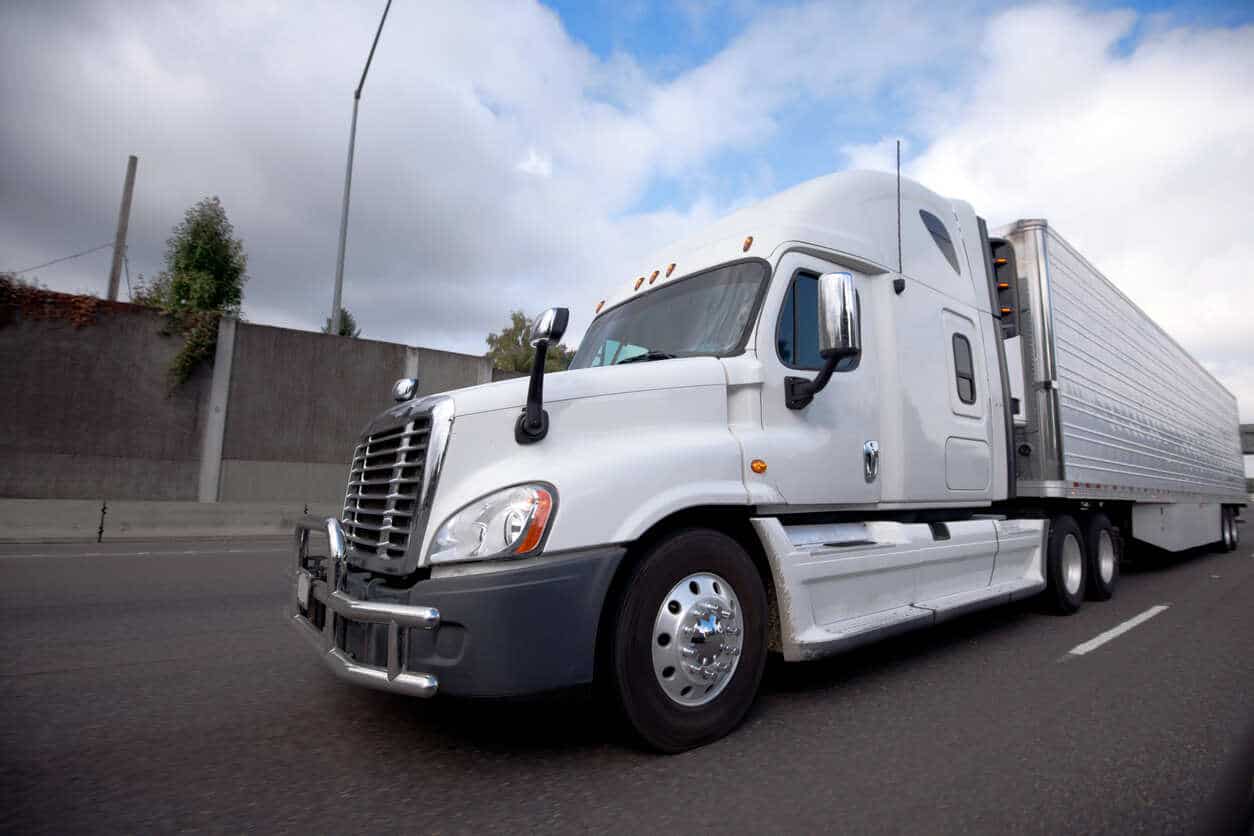
Collisions involving 18-wheelers are rarely simple. The size and weight of commercial trucks mean that even a single mistake can result in catastrophic injuries or death. When these crashes occur in Houston, determining fault often requires looking beyond the truck driver’s actions alone.
Unlike other Texas motorists, commercial truck drivers and trucking companies must follow extensive federal safety regulations designed to reduce crashes and protect the public. When these rules are violated, they can provide powerful evidence of negligence in an injury claim.
Understanding how federal trucking regulations apply after a Houston 18-wheeler crash can make a significant difference in whether victims can hold the appropriate parties accountable.
The Role of Federal Trucking Regulations
Most commercial motor carriers operating in Texas are governed by the Federal Motor Carrier Safety Regulations (FMCSRs), enforced by the Federal Motor Carrier Safety Administration (FMCSA).
These regulations establish minimum safety standards covering:
- Driver qualifications.
- Hours of service and fatigue limits.
- Vehicle maintenance and inspections.
- Drug and alcohol testing.
- Cargo securement.
- Recordkeeping and documentation.
When a trucking company or driver fails to comply with these rules, that violation can serve as strong evidence that they did not exercise reasonable care.
Driver Qualification and Training Failures
FMCSA rules require trucking companies to verify that drivers:
- Hold a proper commercial driver’s license.
- Meet medical certification requirements.
- Have clean enough driving records.
- Receive appropriate safety training.
When companies fail to properly screen or train drivers, they may be liable for negligent hiring, retention, or supervision.
Examples include:
- Hiring drivers with histories of serious violations.
- Allowing unqualified drivers behind the wheel.
- Failing to provide training on safety procedures.
These failures can directly contribute to crashes.
Hours-of-Service Violations and Driver Fatigue
Driver fatigue is one of the most common causes of serious truck accidents. Federal regulations limit how long a driver may operate before taking mandatory rest breaks.
These rules restrict:
- Daily driving hours.
- Total on-duty time.
- Weekly cumulative hours.
- Required rest periods.
If logbooks or electronic logging device (ELD) data show that a driver exceeded these limits, it may indicate that fatigue impaired reaction time, judgment, or attention.
Fatigue-related violations can strongly support a negligence claim.
Vehicle Maintenance and Inspection Violations
Trucking companies must systematically inspect, maintain, and repair their vehicles.
Federal rules require:
- Routine inspections.
- Documentation of repairs.
- Pre-trip and post-trip driver inspections.
Common maintenance violations involve:
- Worn brakes.
- Bald tires.
- Steering defects.
- Lighting failures.
If mechanical problems caused or contributed to a crash, maintenance records can establish negligence.
Drug and Alcohol Testing Requirements
FMCSA regulations require:
- Pre-employment drug testing.
- Random testing.
- Post-accident testing in qualifying crashes.
- Reasonable suspicion testing.
Failure to conduct required testing or ignoring positive results can support claims that unsafe drivers were knowingly allowed to operate commercial vehicles.
Cargo Securement Violations
Improperly loaded or unsecured cargo can cause:
- Rollovers.
- Jackknife accidents.
- Lost cargo spills.
- Loss of vehicle control.
Federal rules specify how different types of cargo must be secured and who is responsible for inspections.
Violations may implicate:
- Truck drivers.
- Trucking companies.
- Shippers or loaders.
How Regulatory Violations Strengthen Negligence Claims
In Texas personal injury cases, victims must show that the defendant breached a duty of care and that the breach caused injuries.
FMCSA violations can help establish:
- The existence of a safety duty.
- That the duty was violated.
- That the violation increased crash risk.
While a violation does not automatically prove liability, it provides compelling evidence that safety standards were ignored.
Where This Evidence Comes From
Key sources of regulatory evidence include:
- ELD and logbook data.
- Driver qualification files.
- Maintenance and inspection records.
- Drug and alcohol testing results.
- Safety audit histories.
- Internal company communications.
Trucking companies do not voluntarily hand over this information. It must be obtained through preservation letters, subpoenas, and litigation.
Why Immediate Investigation Matters
Much of this evidence can be altered, lost, or destroyed if action is delayed.
For example:
- ELD data may be overwritten.
- Maintenance records may be purged under retention policies.
- Vehicles may be repaired or scrapped.
Early legal involvement is critical to preserving these records.
Truck Accident Cases Often Involve Multiple Liable Parties
Federal regulations also help identify additional responsible parties, such as:
- Motor carriers.
- Parent corporations.
- Maintenance vendors.
- Freight brokers.
- Cargo loading companies.
Identifying all liable parties expands potential insurance coverage and strengthens recovery options.
Charles J. Argento Uses Federal Regulations to Build Strong Truck Accident Cases
Proving negligence in an 18-wheeler crash requires more than showing that a collision occurred. It requires uncovering the safety failures that caused it.
Charles J. Argento has decades of experience investigating truck accidents, securing critical regulatory records, and holding trucking companies accountable for violating federal safety rules.
If you or a loved one was injured in a Harris County 18-wheeler crash, contact Charles J. Argento at (713) 225-5050 or online for a free consultation. The sooner we begin investigating, the stronger your case can be.